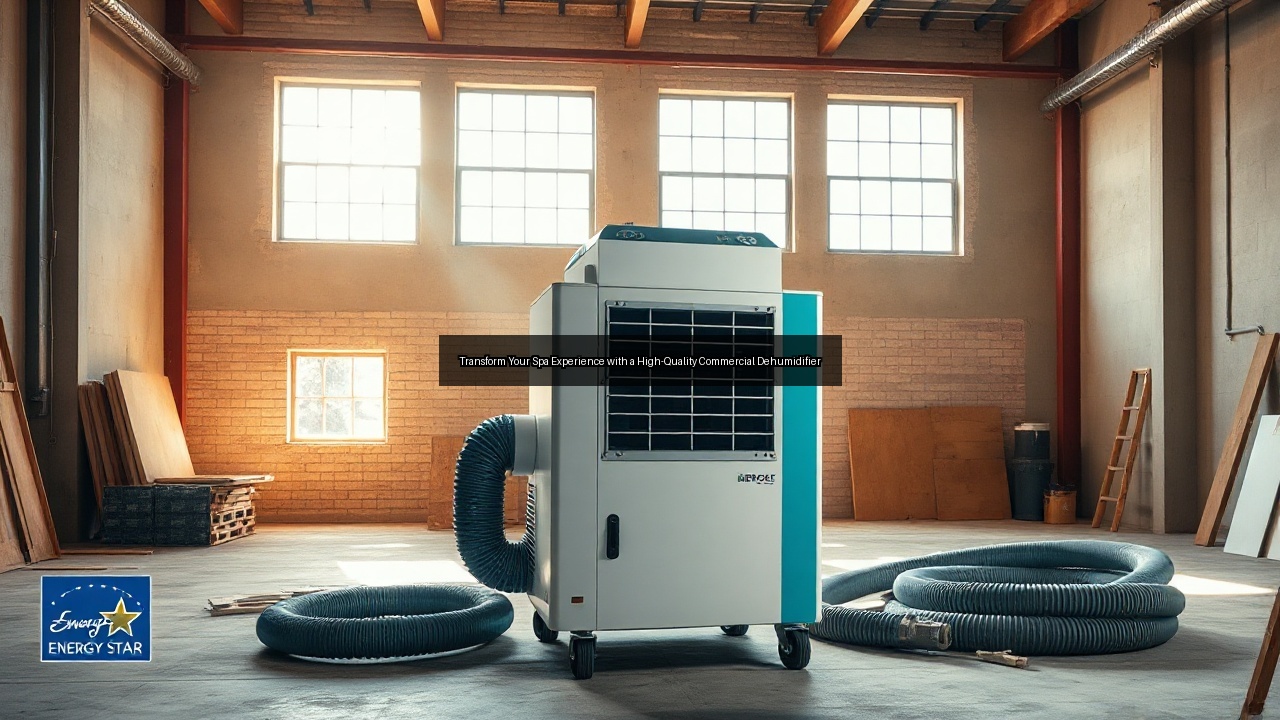
Transform Your Spa Experience with a High-Quality Commercial Dehumidifier
The Importance of Humidity Control in Spas
Understanding Humidity and Its Effects on Spa Environments
Humidity plays a crucial role in the overall atmosphere of a spa. High humidity levels create a steamy, relaxing environment, essential for the spa experience. However, excessive moisture can lead to a range of problems. When humidity levels exceed a comfortable range, it becomes challenging for spa guests to enjoy their time, as the air feels heavy and oppressive. A well-balanced humidity level, ideally between 30% and 50%, enhances comfort while promoting relaxation. To achieve this, investing in a high-quality commercial dehumidifier is essential. These units efficiently extract moisture from the air, ensuring that the environment remains inviting and pleasant for all visitors.
Mold and Moisture: The Hidden Threats to Your Spa
Mold thrives in damp environments, making spas particularly susceptible to its growth. The combination of heat and humidity creates an ideal breeding ground for mold spores, which can proliferate unnoticed. Over time, mold not only damages the physical structure of the spa but also poses health risks to staff and clients. Respiratory issues and allergies can arise, driving customers away and damaging your spa's reputation. A commercial dehumidifier acts as a powerful ally in preventing mold growth. By maintaining optimal humidity levels, these devices inhibit the conditions that allow mold to flourish. Regularly monitoring and controlling moisture levels helps protect your spa from these hidden threats.
How High Humidity Impacts Customer Experience
Customer experience in a spa hinges on comfort, and high humidity can severely detract from that comfort. Excess moisture in the air makes the environment feel sticky and uncomfortable, leading to dissatisfaction among guests. When clients are unable to fully relax, they are less likely to return. Furthermore, high humidity can negatively impact the efficacy of spa treatments. For example, excessive moisture can interfere with the performance of steam rooms and saunas, ultimately compromising the quality of the experience. To enhance customer satisfaction, spas need to invest in a commercial dehumidifier, ensuring a comfortable atmosphere that encourages relaxation and repeat visits.
Choosing the Right Commercial Dehumidifier for Your Spa
Key Features to Look For in a Commercial Dehumidifier
Selecting the right commercial dehumidifier involves understanding the key features that contribute to effective moisture control. First, consider the unit's capacity, often measured in pints. This capacity dictates how much moisture the dehumidifier can extract from the air. For spas, a unit that can handle larger spaces and higher humidity levels is essential. Look for models with built-in hygrometers that automatically adjust operations based on humidity levels. Additionally, consider energy efficiency. Energy Star-rated units consume less power while providing effective dehumidification, ultimately saving costs on energy bills. Other features, such as easy-to-clean filters, continuous drainage options, and user-friendly controls, also enhance convenience and performance.
Understanding CFM Ratings and Their Importance
CFM, or cubic feet per minute, measures the air movement through a dehumidifier. Understanding this rating is vital when selecting a commercial dehumidifier for your spa. A higher CFM rating indicates greater air circulation, allowing the unit to dehumidify more effectively. For optimal performance, choose a model with a CFM rating suitable for your spa's size. Consider the layout of the space and how air flows throughout. In larger spas or those with multiple rooms, commercial air dehumidifier a dehumidifier with a higher CFM rating will more efficiently circulate air and remove moisture from every corner. This ensures a consistently comfortable environment, free from excess humidity.
Comparing Energy Star Ratings for Efficiency
Energy efficiency matters not only for cost savings but also for environmental sustainability. When choosing a commercial dehumidifier, look for Energy Star-rated units. These models meet strict energy efficiency guidelines set commercial air dehumidifier by the U.S. Environmental Protection dehumidifiers for commercial Agency. Energy Star-certified dehumidifiers consume less electricity while delivering optimal moisture removal, making them a smart investment for spas looking to reduce operational costs. A dehumidifier that operates efficiently can significantly decrease energy bills over time, resulting in long-term savings. Additionally, energy-efficient appliances contribute to a greener environment, aligning your spa with sustainability practices that appeal to eco-conscious customers.
Installation and Maintenance of Commercial Dehumidifiers
Optimal Placement: Space and Air Flow Considerations
Correct installation of your commercial dehumidifier is vital for effective humidity control. Placement affects air flow, which directly impacts the unit's efficiency. Position the dehumidifier in a central location where air circulates freely. Avoid placing it in corners or obstructed areas where airflow may be limited. Ensure that the unit has adequate space around it for air intake and exhaust. If your spa has multiple rooms, consider using multiple units to ensure consistent humidity control throughout the space. Proper placement maximizes the dehumidifier's effectiveness, ensuring a comfortable environment for guests and protecting your facility from moisture-related issues.
The Role of Pumps and Hoses in Effective Dehumidification
Pumps and hoses play essential roles in the operation of commercial dehumidifiers. Many high-capacity units utilize a pump to move collected water away from the dehumidifier, preventing overflow and ensuring continuous operation. This feature is particularly useful in spas, where high humidity levels may lead to significant water accumulation. Ensure that the pump is properly installed and can effectively transport water to a designated drainage area. Hoses should be securely connected, with no leaks, to avoid water damage. Regularly inspect the pump and hoses for signs of wear or blockages to maintain optimal performance and prolong the lifespan of your dehumidifier.
Regular Maintenance Tips to Extend Dehumidifier Lifespan
Routine maintenance ensures that your commercial dehumidifier operates effectively and lasts longer. Start by regularly cleaning or replacing the air filters, as clogged filters restrict airflow and reduce efficiency. Inspect the water collection tank for any signs of algae or mold growth and clean it thoroughly. Additionally, check the pump and hoses for blockages or leaks. Consider scheduling professional maintenance checks annually to ensure the unit operates at peak performance. By adhering to these maintenance tips, you can extend the lifespan of your dehumidifier, ensuring consistent humidity control and a safe, comfortable spa environment.
Maximizing Your Spa’s Comfort and Safety
The Connection Between Temperature and Humidity Control
Temperature and humidity go hand in hand, significantly affecting the spa experience. High humidity can make even moderate temperatures feel uncomfortably hot, leading to customer discomfort. Maintaining a balanced environment requires attention to both factors. A commercial dehumidifier helps regulate humidity, allowing you to maintain optimum temperature levels without sacrificing comfort. When humidity levels remain stable, your spa can deliver a more enjoyable experience for clients, enhancing their relaxation and satisfaction. This balance is crucial in creating a serene atmosphere that encourages visitors to return.
Preventing Flooding and Water Damage with Dehumidifiers
Spas are at risk for flooding and water damage, particularly in areas with high humidity. Excess moisture can lead to condensation on surfaces, creating slippery conditions and increasing the risk of accidents. Additionally, prolonged exposure to water can damage structures, promote mold growth, and necessitate costly repairs. A commercial dehumidifier acts as a preventative measure, significantly reducing the risk of flooding by effectively managing moisture levels. By investing in a quality unit, spa owners can protect their facilities from potential water damage, ensuring safety for staff and guests alike.
Understanding Sound Pressure Levels for a Peaceful Spa Environment
The sound pressure level of a dehumidifier impacts the overall tranquility of the spa environment. High noise levels can disrupt the calming atmosphere that clients expect. When selecting a commercial dehumidifier, consider the unit's sound pressure level. Look for models designed to operate quietly, allowing for a peaceful experience. Many modern dehumidifiers are engineered with noise-reduction technology, ensuring they function without disturbing the serene ambiance of your spa. Prioritizing low-noise models enhances customer satisfaction, encouraging clients to relax and fully enjoy their spa experience.
See Also
- Top Features to Look for in a Commercial Dehumidifier
- The Essential Guide to Choosing the Best Commercial Dehumidifier
- The Benefits of Investing in a High-Capacity Commercial Dehumidifier
- Maximizing Warehouse Efficiency with Commercial Dehumidifiers for Optimal Moisture Control
- Preventing Mold Growth in Your Warehouse with Effective Dehumidification